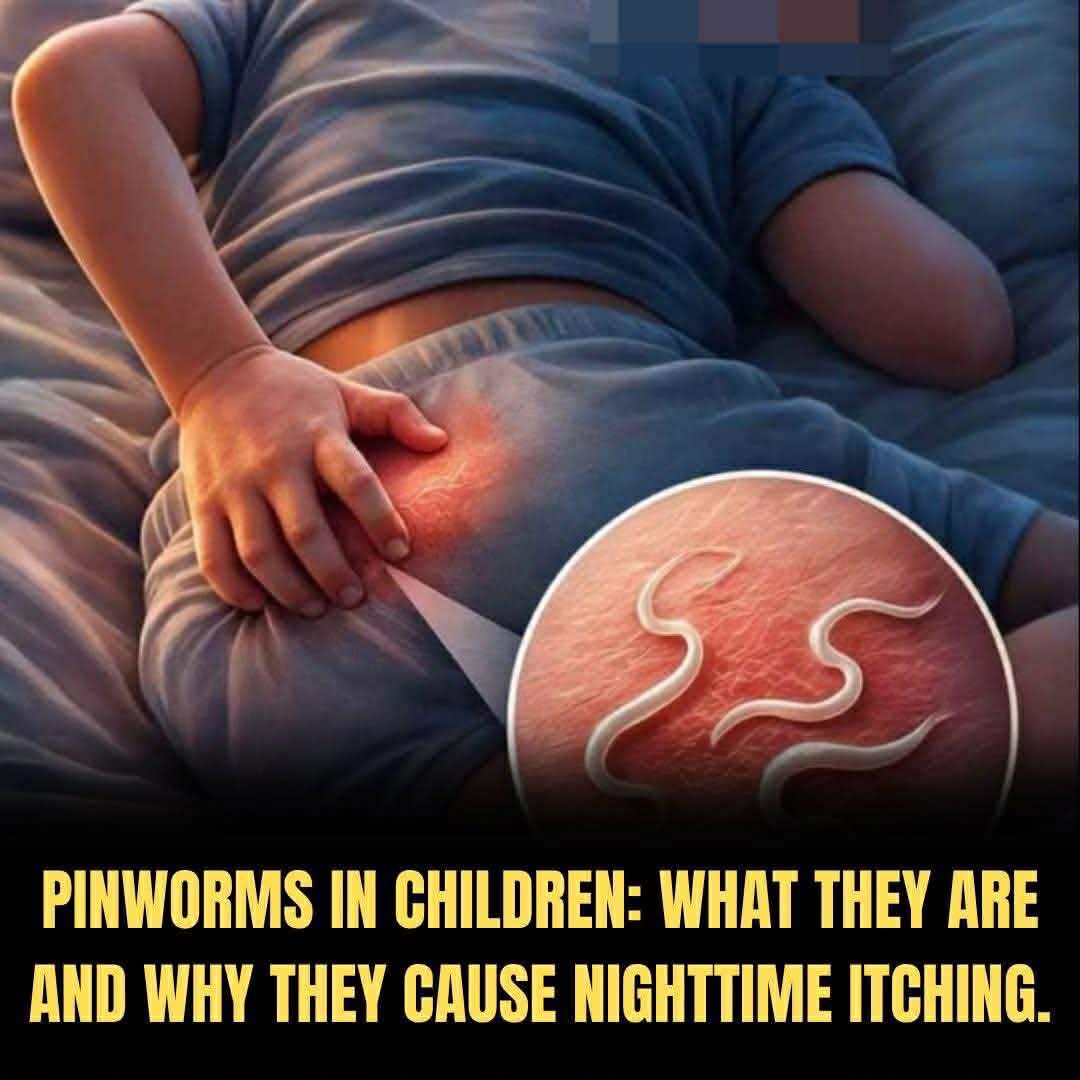
There is nothing more frustrating than waking up in the middle of the night to be faced with having your child, or yourself, scratching uncontrollably.
While the discovery of tiny intestinal parasites is enough to make any parent’s skin crawl, the reality is that pinworms are a standard part of childhood for millions of families. In fact, they are easily treated, and even though they may look gross, they don’t say anything about your household hygiene.
If you are going through a “wiggly” experience at the moment, then it’s worth keeping in mind that you are definitely not alone in the struggle. This guide takes an in-depth look at the lifespan of these hitchhikers, what makes them tick, and how to get rid of them once and for all.
What Exactly Are Pinworms?
Pinworms, medically referred to as Enterobius vermicularis, are minute, white, worm-like parasites. Typically growing up to a maximum of 1.5 cm (the length of a staple), they resemble tiny pieces of dental floss. Despite their ominous name, they are some of the most widespread parasitic diseases in the world, especially among schoolchildren and people living in close quarters.
These worms live primarily in the human large intestine and rectum. In contrast to other parasites, which are much more aggressive and travel to the lungs and liver or deprive you of nutrients, they simply live in your intestine without doing any damage to you. Nevertheless, they are experts in irritating you and keeping you awake at night.
The Hygiene Myth
It is vital to address the stigma: having pinworms is not a sign of being “dirty” or “poor.” The eggs of pinworms are so small and durable that the transmission occurs everywhere, from playgrounds to offices and schools, simply because they are very difficult to detect. People who are most attentive to their hygiene can face this problem when they touch a handle on a shopping trolley or take out a library book that has been touched by someone infected with pinworms.
The Midnight Itch: The Science of Nighttime Symptoms
A typical symptom of pinworm infection is severe itching around the anus, which worsens during nighttime hours. However, it is not mere coincidental; instead, this is a carefully planned tactic by the parasite in order to survive and reproduce. To comprehend the reasons for the increase in itching during nighttime hours, one must focus on what the female pinworm does during her “night shift.”
The migration: As the body of the “host” comes to rest and its temperature is regulated, the female pinworms move from the intestines to the anus.
Egg-Laying: At the destination, she proceeds to lay thousands of microscopic eggs around the anus area.
Biological “glue”: The female pinworm produces a glue-like substance to adhere the eggs to the host’s skin. This glue-like substance, when mixed with the physical motion of the pinworms themselves, creates the itchy, prickling feeling that the host suffers from.
Scratch and spread cycle: The itching causes an involuntary reaction to scratch. As a result of being so tiny and sticky, the pinworm eggs can get stuck beneath nails, on pajamas, or bed sheets, which means that inevitably some eggs will end up in the mouth of another human host.
The NHS emphasizes that this specific nighttime itching is one of the primary diagnostic signs that pinworms are present and should be the first red flag for parents.
How They Spread: The Transmission Cycle
Pinworms are extremely infectious. The life cycle of pinworms is straightforward, elegant, and very efficient when it comes to infecting the whole household. To stop the cycle, one needs to know all the pathways of transmission.
The fecal-oral route
This is the most common mode of transmission. When an individual scratches the irritated area, the eggs stick under their fingernails. Then, the individual puts their fingers into the mouth or even eats some food. The eggs enter the digestive tract and hatch there, after which the larvae go to the large intestine.
Surface Contamination
Pinworm eggs are surprisingly resilient. They can survive for two to three weeks on various surfaces, including:
- Bed linens and pillowcases
- Towels and washcloths
- Stuffed animals and toys
- School desks and cafeteria tables
- Bathroom faucets and doorknobs
Airborne Inhalation
It may seem as though it comes straight out of a horror film, but because of the weightlessness of the eggs, they are capable of becoming airborne. Just shaking out a pair of sheets that have been infested will cause the eggs to take flight in a cloud-like formation. If someone breathes them in or swallows them, they will become infected.
The Reinfection Loop
The most annoying thing about pinworms is their ability to form a “loop reinfection.” Even if you treat yourself with drugs to eliminate the adult worms, the eggs already present in your surroundings could find themselves in your mouth within a week, initiating another cycle of infection.
